The Sound of Resilience and Hope


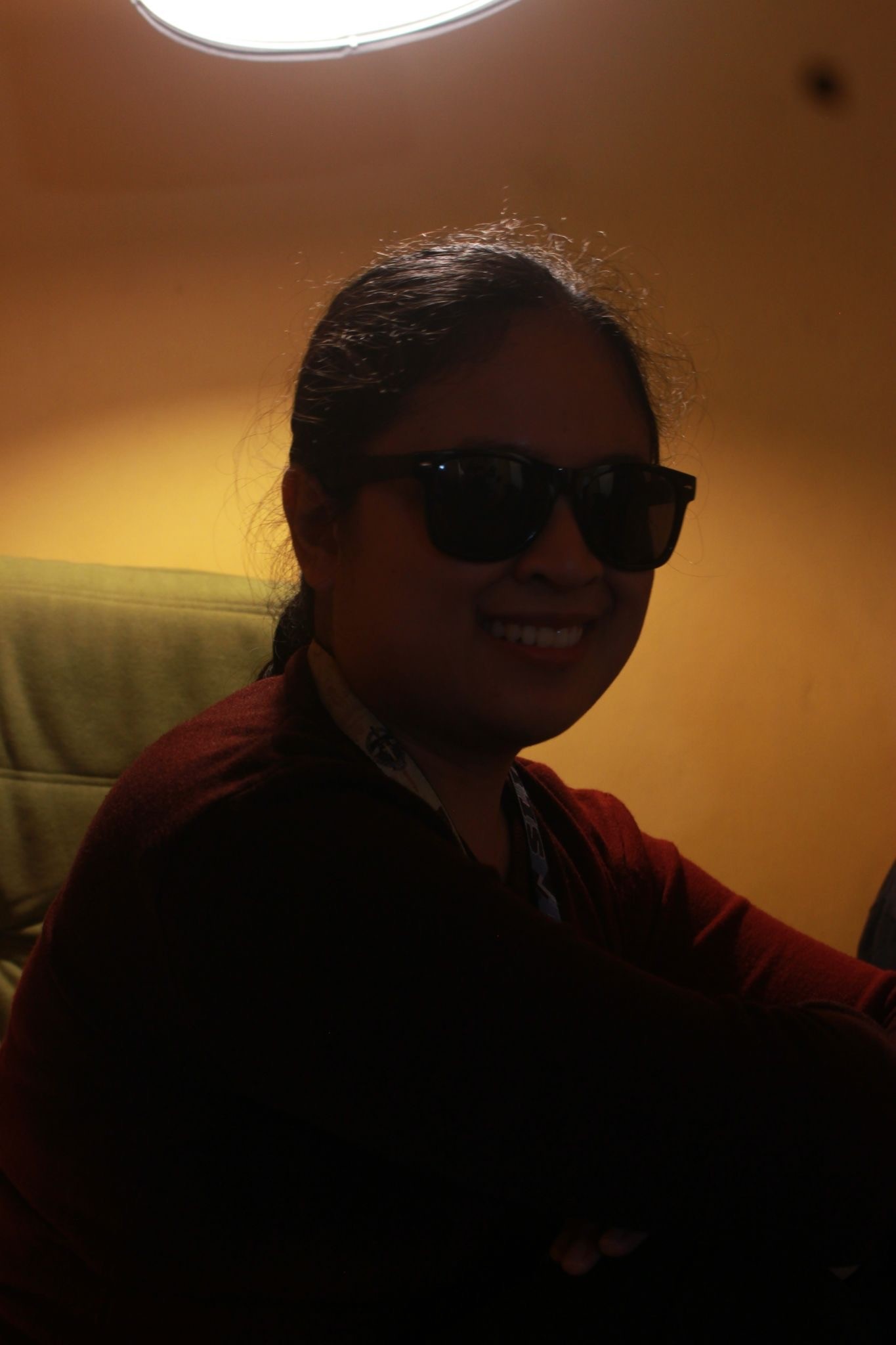
On a normal Sunday along the bustling and colorful roads of Session, there’s a specific scenery that goes against and beyond the typical Baguio breeze. After six days of honks and smoke filling the city, a rhythmic sensation for the ears comes, clearing the polluted air with music. Meet Kyle Zaika Dayami, a 22-year-old musician with visual impairment, who has serenaded locals, tourists, and simple passersby along the worn-out pavements she has walked, a cane in hand. Yet, living with structures and systems designed for the typical needs of the sighted community, Zaika continues to make an effort to move through life—believing that the blind community’s needs may differ, but their dignity and rights remain the same as the others.
The Universal Language of Music
Music has its own way of seeping through the gaps in the human heart, filling each empty space with something that completes it. Just as music’s powerful way of speaking with people’s hearts, it has also transformed and brought meaning to the life of Zaika—a Bachelor of Science in Secondary Education (BSEd) student from Saint Louis University—a true epitome of perseverance, talent, and hope.
As a blind musician, Zaika ensures her passion for music is not only heard, but deeply seen and felt across the streets of Baguio City. At the early age of six, her mother enrolled her in Music World—a place that serves as a store for musical instruments and a music education hub for musicians at heart. After cultivating her talent for more than a decade, Zaika has graced birthday celebrations, church gatherings, and wedding days with her singing and guitar-playing. With her ultimate love for music, she has bloomed in stages she built herself—one along Session Road during Sundays, and another in Realtors’ Restaurant every Thursday.
When asked about audience reactions from her performances, Zaika answers, “Nakakatanggap ako ng feedback na maganda raw. Pero minsan, may negative din, pero siyempre as I go through it, dahil nag-eenjoy ako, iniiwan ko ‘yung mga negative.” (I receive feedback saying that it’s good. Sometimes, there are negative comments too, but of course, as I go through it, since I enjoy what I’m doing, I just ignore the negative ones.)
Truly, music found its way into Zaika’s life, and her mother’s initial effort to support her sure did help Zaika find and create joy that not only she could embrace, but others, too.
Backbone of Her Dreams
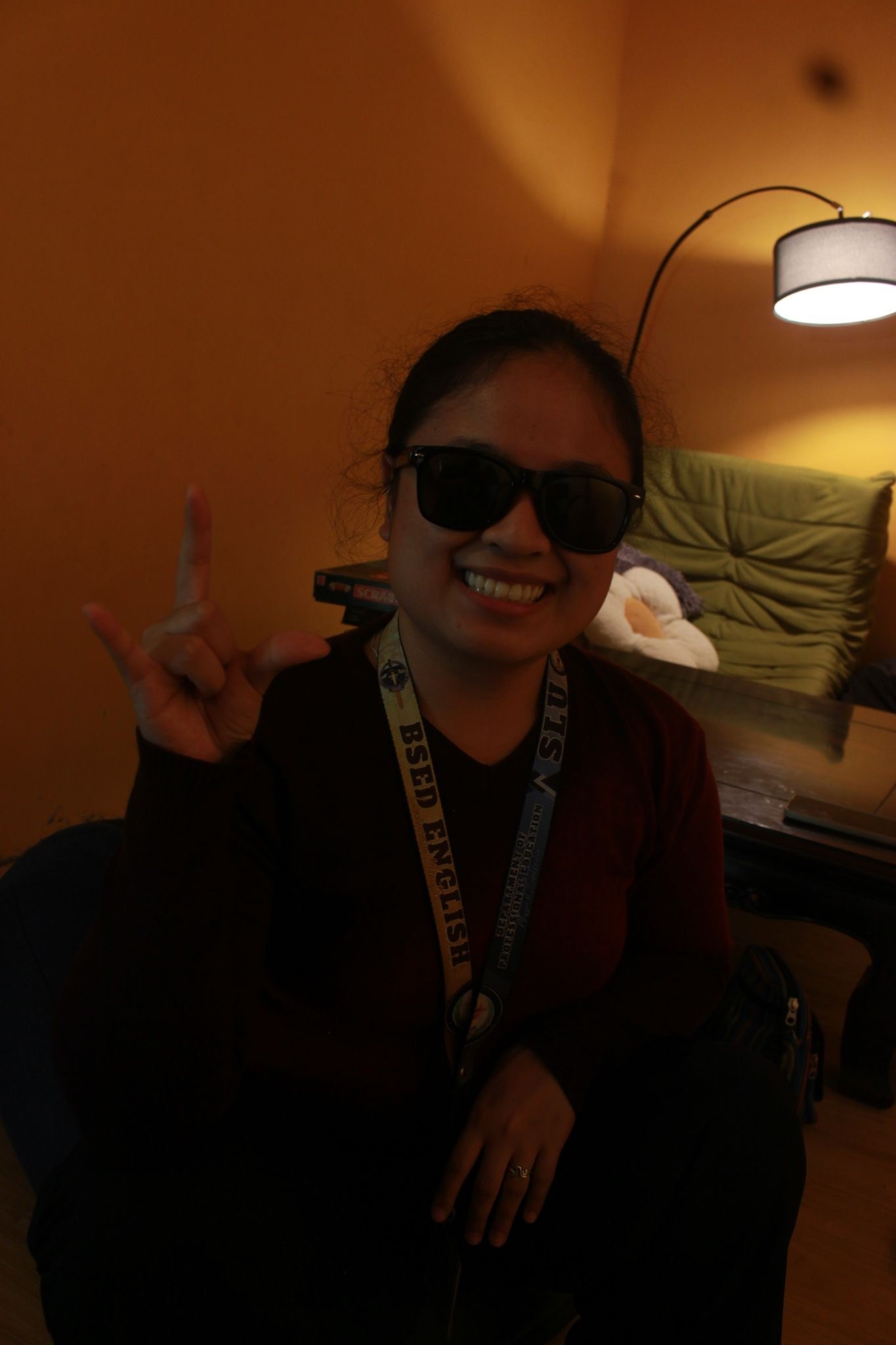
Indeed, there are no better drivers of motivation than those who go out of their way to help others pave their own paths. Zaika shares that God is her primary motivation, followed by family and friends, for their insurmountable love and support that have consistently helped her move past every challenge. She also gives abundant thanks to her ever-patient music teacher, who was also blind, and to her sighted mentor for guiding her in learning Braille. With such a community that showered Zaika with kindness and support, it is safe to say that they raised a truly empowered and confident person—one who has the grit and guts to chase after everything she ever dreamed of.
Given her gifts found in her voice, strums, and pages she fills with lyrics and notes, it’s no surprise that Zaika aspires to be a musician—a successful one at that. Beyond that, another ultimate goal she has reflected is one of the major “Filipino” dreams most of us carry in our pockets: to graduate and finish school. And as much as how visible the systemic failures in the academic institution are, there are more problems that blind people continuously suffer from, which most people weren’t completely aware of.
The Obstacle Course towards the Classroom
Even after years of continuous cries over transportation issues in the country, to the point that Filipinos sacrifice another hour or two of sleep or rest just to avoid traffic and ensure proper attendance, they remain victims of this system. For some who have mastered that kind of routine, the process has become tolerable. But for blind individuals like Zaika, it has become a much heightened struggle they have yet to adjust to. When leaders continue to turn a blind eye to such problematic systems, differently abled people suffer the most.
Further challenges Zaika has faced include the closure of the SLU Main Gate due to construction, making Gate 2 a temporary entrance and exit point for students. Yet the struggle the blind students had to go through seems to have been overlooked even further—Zaika has to take the stairs to get to class. This leaves Zaika feeling more burdened, having to take even more careful steps than usual as she familiarizes herself with yet another strange path.
“Yung daanan kasi, puro hagdan. Unlike na, pag sa main gate, though maraming hagdanan dun, inaayos kasi siya, so nahihirapan ako. Mag-iikot ikot pa ako papunta sa Perfecto, mula sa P.E building hanggang sa Perfecto. Marami ka pong lalakaran kasi, kaya medyo hindi siya accessible” (The path is mostly stairs [in Gate 2]. Unlike at the main gate—although there are also many stairs there—it’s being fixed, so I find it [Gate 2] difficult. I even have to go around just to get to Perfecto [building], from the P.E. building to Perfecto. You really have to walk a lot, which makes it somewhat inaccessible), Zaika shares as one of her current struggles. For her, it was another part of a routine she had to get used to. What may seem like a normal school construction project for others could mean getting lost on a completely unfamiliar path for them.
Beyond the School Walls
It would be better if such obstacles stayed only within the school gates, but Zaika’s day-to-day struggles extend across the environment outside the school. Discrimination and malicious remarks follow them, with some questioning why they even go outside with such a condition, as if being blind should stop them from doing normal, ordinary activities. Such ridiculous comments and discriminatory stereotypes towards people with visual impairments have somehow lowered their self-esteem, limited job opportunities, and led to them being victimized by inequality, which should not be the case.
The Concept of “Sameness”
“Hindi ko naman po inisip na iba ako sa inyo. Siguro ang kaibahan lang natin is nakakakita kayo, pero other than that, wala naman. Tapos siguro yung limitations namin kung hindi kami familiar sa ibang lugar, kailangan namin kabisaduhin. And kailangan po namin ng assistance. Normal pa rin ako katulad niyo, ang kaibahan lang siguro natin ay yung mga ginagamit ko” (I don’t really think of myself as different from you. Maybe the only difference is that you can see, but other than that, there’s none. And maybe our limitation is that if we’re not familiar with a place, we need to memorize it. We also need assistance. I am still normal like you; the only difference, maybe, is the tools I use), her reply resonated. Certainly, what Zaika said was nothing but the truth. We are all equal; only the way we experience life varies.
“Kasi po minsan inu-underestimate kami ng iba, na hindi namin kaya. Well, may mga bagay na hindi kaya. At kayo, meron din kayong mga bagay na kaya kong gawin, pero hindi niyo kaya. Yung Braille, iilan lang na tao ang nakakagawa nun” (Because sometimes, others underestimate us, thinking we can’t do things. Well, there are indeed some things we can’t do. And for you, there are also things I can do that you can’t. Braille, for example—only a few people know how to use it), Zaika added.
This reminds us of the beauty of life—that we, people, are alike and have only different needs; that we are unique in our own ways, but bound by the universal truth: we are all human beings. And we all deserve to be treated as one.
Bigger Hopes for the World
“Siguro ipagpe-pray ko na lang yung mga ganun, sana mabago yung mindset nila na hindi sila nangdi-discriminate ng mga visually-impaired. Sana maging open sila sa amin or maging open sila sa mga bagay na ganun, na dapat hindi sila nangdi-discriminate. Dapat nga mang-encourage pa sila eh” (Maybe I’ll just pray about those people—that their mindset will change, so they won’t discriminate visually impaired people. I hope they become more open to us and more accepting of these things, and that they stop discriminating. In fact, they should even be more encouraging), she replies with a hopeful note.
Alongside Zaika’s wish for changed behavior, she also hopes for better gadgets or maps specifically designed for blind people, which could help them learn their surroundings and navigate places they have never visited. Such further technological assistance will greatly improve their experience in moving around the city.
And so, as Sunday evenings arrive, Zaika’s music along Session Road slowly fades—she pauses not to bid a goodbye, but to send her warmest thanks through her familiar, radiant smile. Even though she will walk the same roads with her cane, navigating a world not initially built for her convenience, Zaika will continue to move with the same hope and strength she carries every day. With her earnest prayers, she continues to sing with hopeful melodies—for a world that accepts, understands, and uplifts blind individuals like her. Above all, her story will serve as an inspiration, and her voice a quiet reminder that kindness should not be reserved for a few but shared with everyone.
Related Posts


More Article by Kristel M. Reyes


Recent


