Beyond the Eyes, Within the Hands
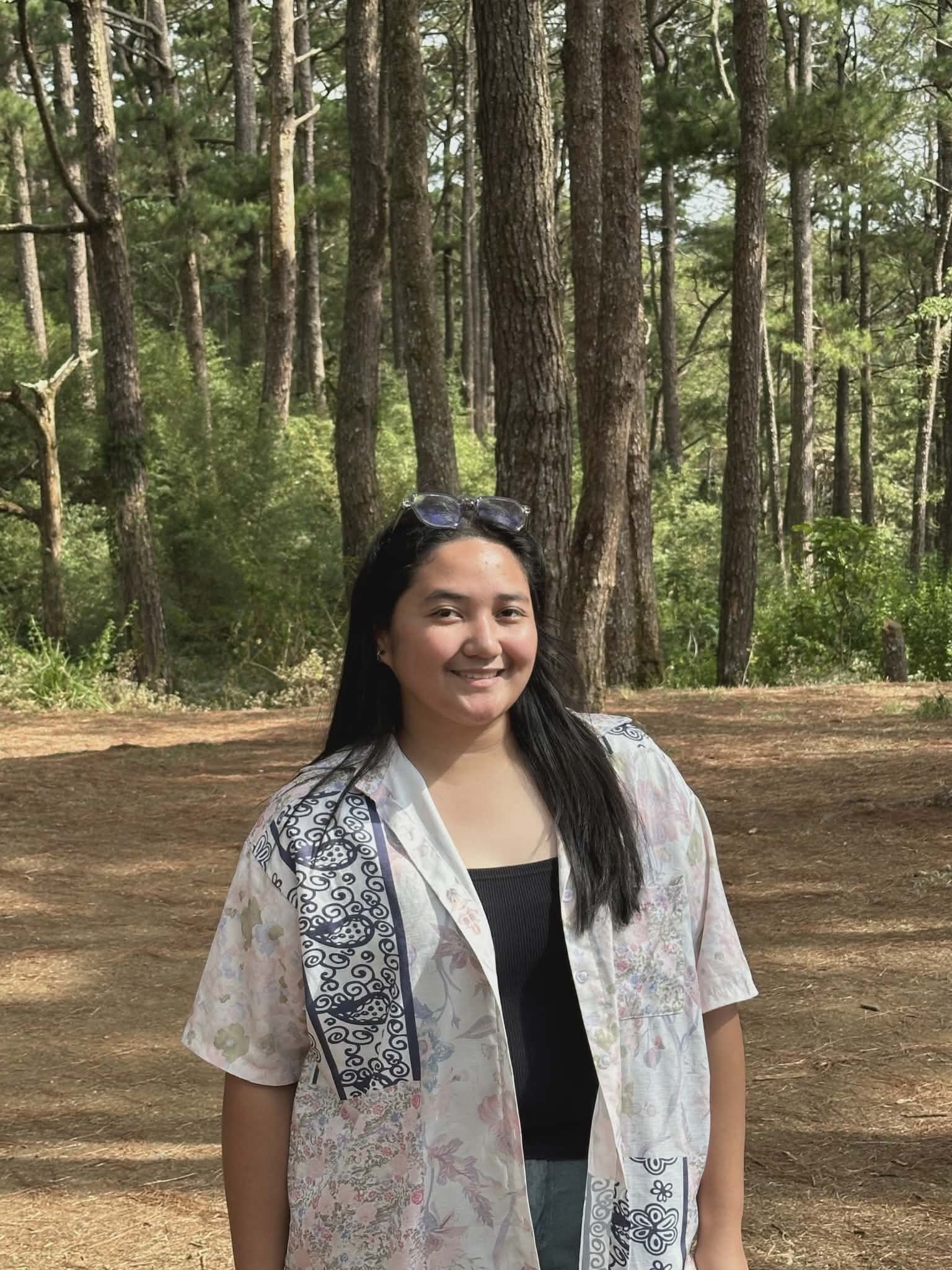

Morning begins not with what is seen, but with what is known. For individuals who are blind, daily life is guided by memory, touch, sound, and routine. Tasks like cooking, cleaning, and organizing the house—things sighted people often do with ease—require intention, patience, and skill.
Vision loss does not always mean complete darkness. According to the World Health Organization, many people with visual impairments still have some remaining vision, though it may be limited or blurred. Because of this, they are not excluded from everyday activities; instead, they learn new ways to accomplish them.
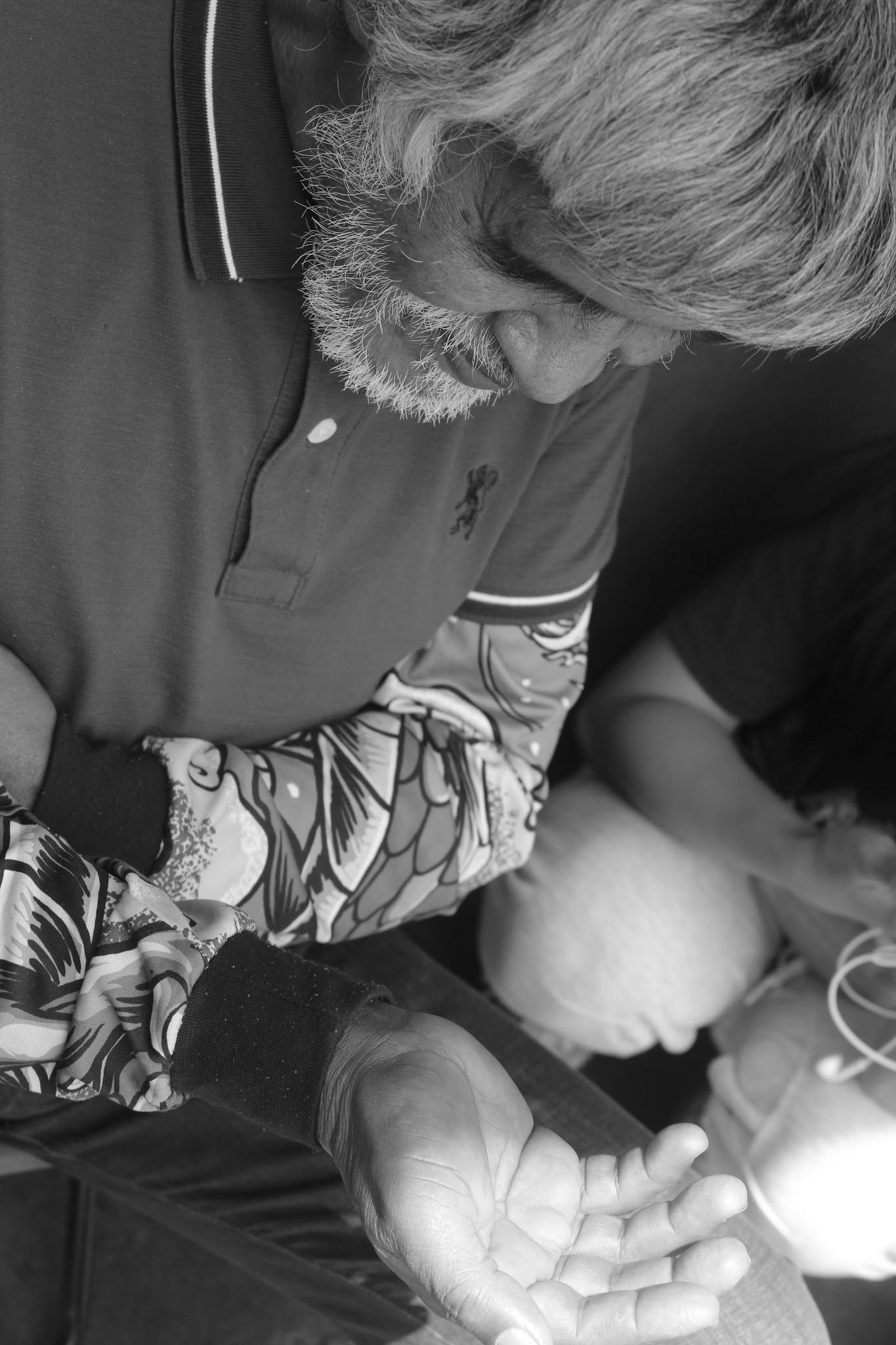
Perkins School for the Blind shows that people with vision loss develop essential independent living skills such as tactile awareness, memory, and structured routines to perform household tasks safely and independently.
In the kitchen, the hands become a more primary tool for understanding the environment. People learn to identify objects through texture and placement. The spoon is always in the same drawer and the pot is always on the same shelf. Over time, this consistency forms a mental map of the area. This structured environment builds both confidence and independence.
This reality becomes even more personal through the experience of Tatay Felix. In our interview, he shared that he is able to cook rice on his own, and his favorite dish to prepare is Adobo. In their kitchen, cooking is not defined by sight, but by trust in his hands, memory of placement, and familiarity from routine. His story reflects how independence is built through lived experiences rather than vision alone.
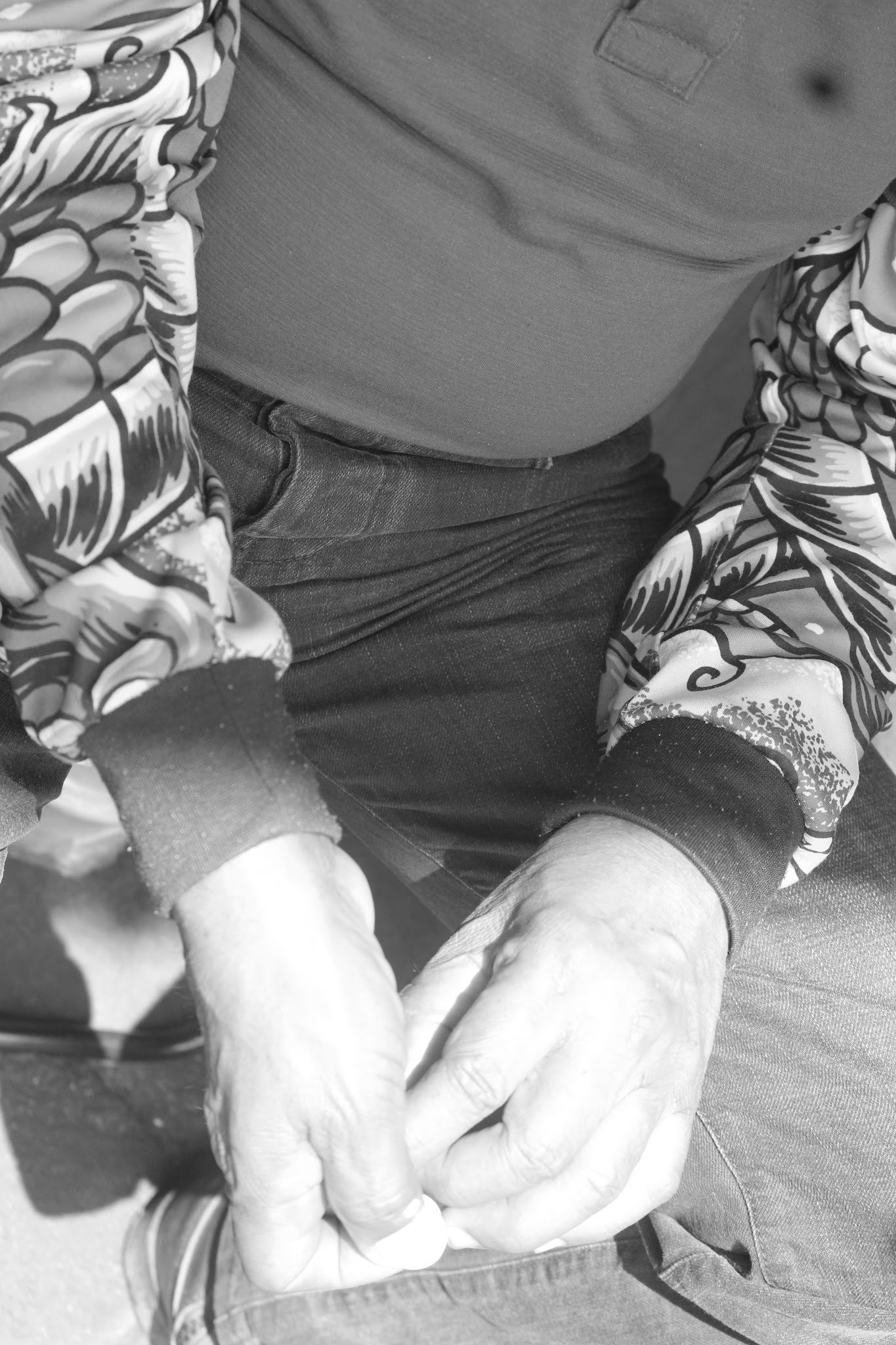
This sense of order does not end in the kitchen. It extends into every part of the house, where cleaning and organizing are shaped by memory and routine. Each object has its place, and every task is guided by familiarity rather than sight.
In the end, home is not just something we see, but something we learn to know by heart. For people who are visually impaired, everyday life becomes possible through routine, memory, and trust in their other senses. Tatay Felix’s story reminds us that independence is not about sight, but about patience, skill, and determination. Each task he completes is a quiet reminder that ability can be found in many different ways.
SOURCES:
https://www.who.int/news-room/fact-sheets/detail/blindness-and-visual-impairment
https://www.perkins.org/resource/independent-living/
Related Posts


More Article by Ma. Francyne Y. Pacupac


Recent


