Before You See, Listen


Every Sunday along Session Road, you learn something simple: “Before you see, you listen.”
The noise arrives first, weaving through footsteps and overlapping conversations. A hesitant guitar begins to speak — then grows sure, unmistakably present. For a moment, the city softens, making space.
Before anyone turns their head, she is already there.
Kyle Zaika Dayami, 22, moves through the world in ways both ordinary and remarkable. A third-year BSEd English major at Saint Louis University, she navigates not by sight but through sound, rhythm, memory, and patience. In a world focused on sight, Zaika has learned to understand differently.
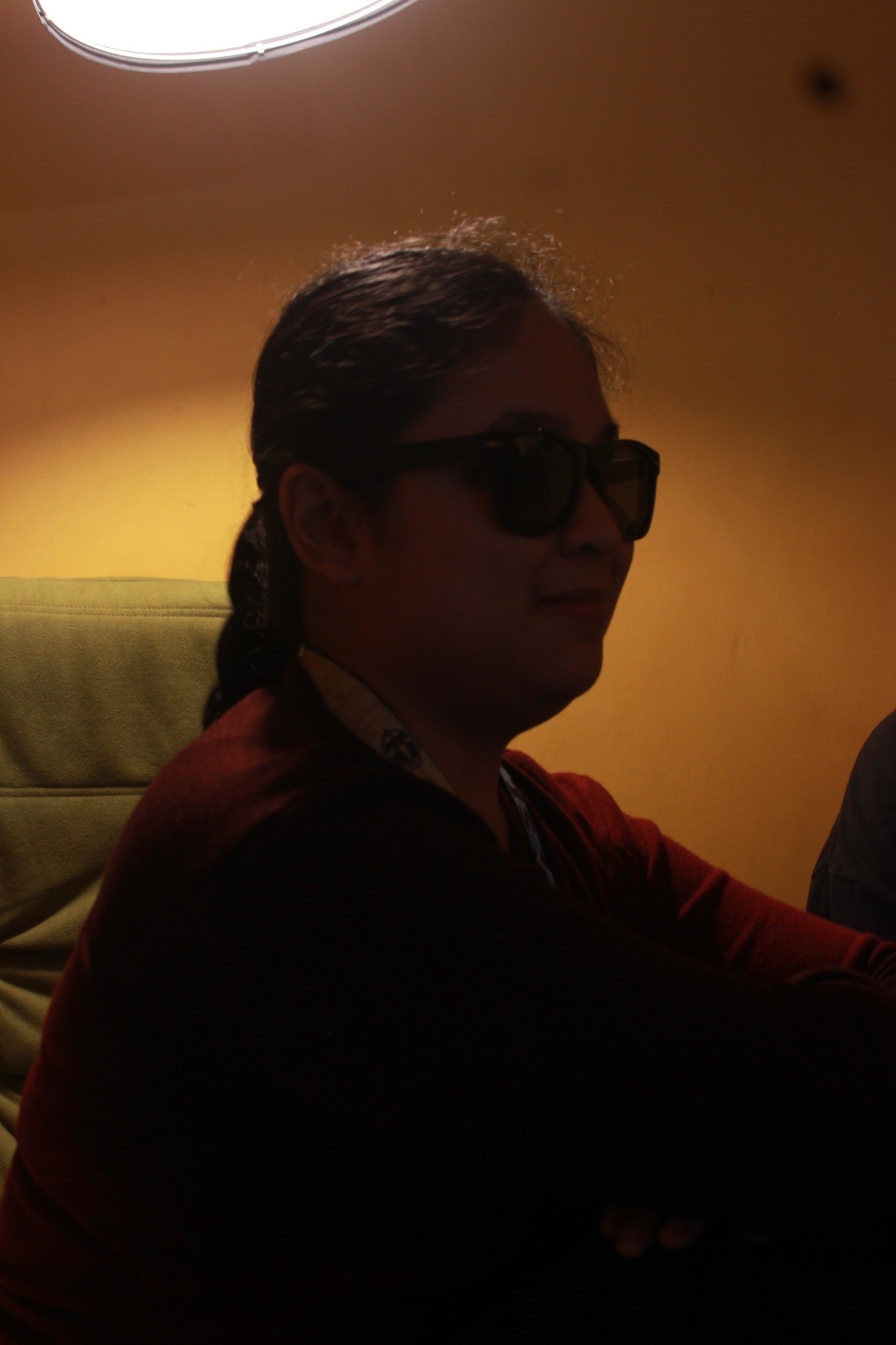
And more than that, she has learned how to be heard.
Before You Understand, You Listen
For Zaika, the world is not empty; it is full.
It is filled with cues most people overlook, whether the direction of footsteps or the distance of noise that signal movement. Where others rely on sight to make sense of their surroundings, she listens…carefully, constantly, instinctively.
In the classroom, she records lectures instead of writing them down. Learning, for her, is an act of listening twice, once in the moment, and again in memory.

Even Braille, a system designed for access, carries its own tension. The stylus presses into paper, producing a series of raised dots, but also a sound. A small, repetitive noise that, in a quiet room, feels louder than it should. Loud enough to be noticed. Loud enough to make her hesitate.
So sometimes, she chooses silence instead.
Not because she cannot write, but because the world around her is not always ready to hear how she does.
Before You Speak, She Has Already Sung
But if there is one place where Zaika does not need to quiet herself, it is in music.
At six years old, her mother enrolled her in Music World, where she spent years learning voice and guitar, training that would later become both her craft and her livelihood. Recognized early for her potential, she was given a scholarship, a sign that even then, her sound carried something worth listening to.
Today, she is a working student. On Sundays, she plays along Session Road. On Thursdays, she performs at Realtors’ Restaurant. On other days, she lends her talent to birthdays, church services, and weddings, spaces where music is not just background, but presence.
“Masaya,” she says simply, when asked how it feels to perform. Happy, because she is able to share what she has.
There are moments when the feedback is warm and affirming. There are also moments when it is not. But she lets those pass, choosing instead to hold on to what remains — the joy of playing, of being heard.
In these spaces, sound becomes more than expression; it becomes identity.
Before You Notice, She Has Already Adjusted
Yet not all parts of her life carry the same freedom.
There are adjustments she makes quietly, almost invisibly. Choosing a laptop over Braille to avoid drawing attention. Recording instead of writing. Sitting in a classroom where she cannot see expressions, where reactions exist just beyond her reach.
These are not dramatic struggles. They do not announce themselves.
But they are constant.
They live in the small decisions — made not out of limitation, but out of consideration. For others. For space. For the ease of being part of something without becoming its disruption.
And still, she continues.
Before You Walk with Ease, She Finds the Way
Outside the classroom, the world is a different kind of challenge.
There are routes to memorize and map not with eyes, but with repetition and recall. The closure of familiar entrances, the shift of pathways, which may seem like minor inconveniences to others, become entirely new terrains for her.
There are moments of uncertainty about what lies ahead. Not all the time are her parents there. Often, she moves independently, guided by memory, assisted by friends, and trained through orientation and mobility.
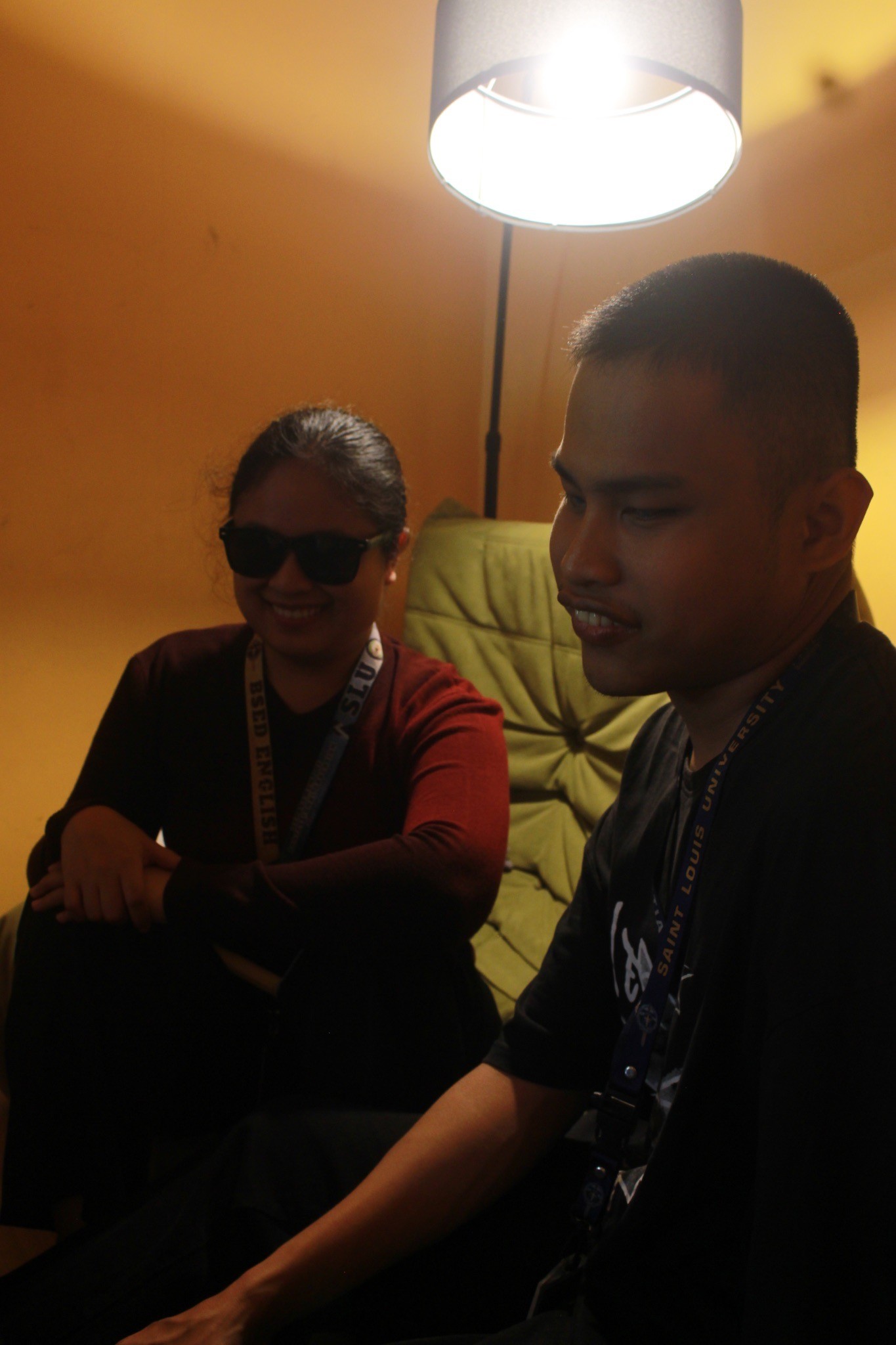
Courage, in her life, is not a grand gesture.
It is walking forward anyway.
Before You Assume, You Should Listen Again
“I don’t think of myself as different.”
For Zaika, the difference begins and ends with sight. Beyond that, she lives, studies, dreams, and struggles just like anyone else. The distinction lies not in who she is, but in how the world responds to her.
There are those who underestimate her.
Those who assume inability before possibility.
Those who ask, sometimes without hesitation, why she goes out at all.
As if the world were not meant for her, too. And yet, she answers not with anger, but with clarity.
There are things she cannot do.
There are also things she can do that others cannot.
Braille, for one. A language read not with eyes, but with touch. A skill held by few, mastered through patience, taught by teachers who believed in her enough to show her how.
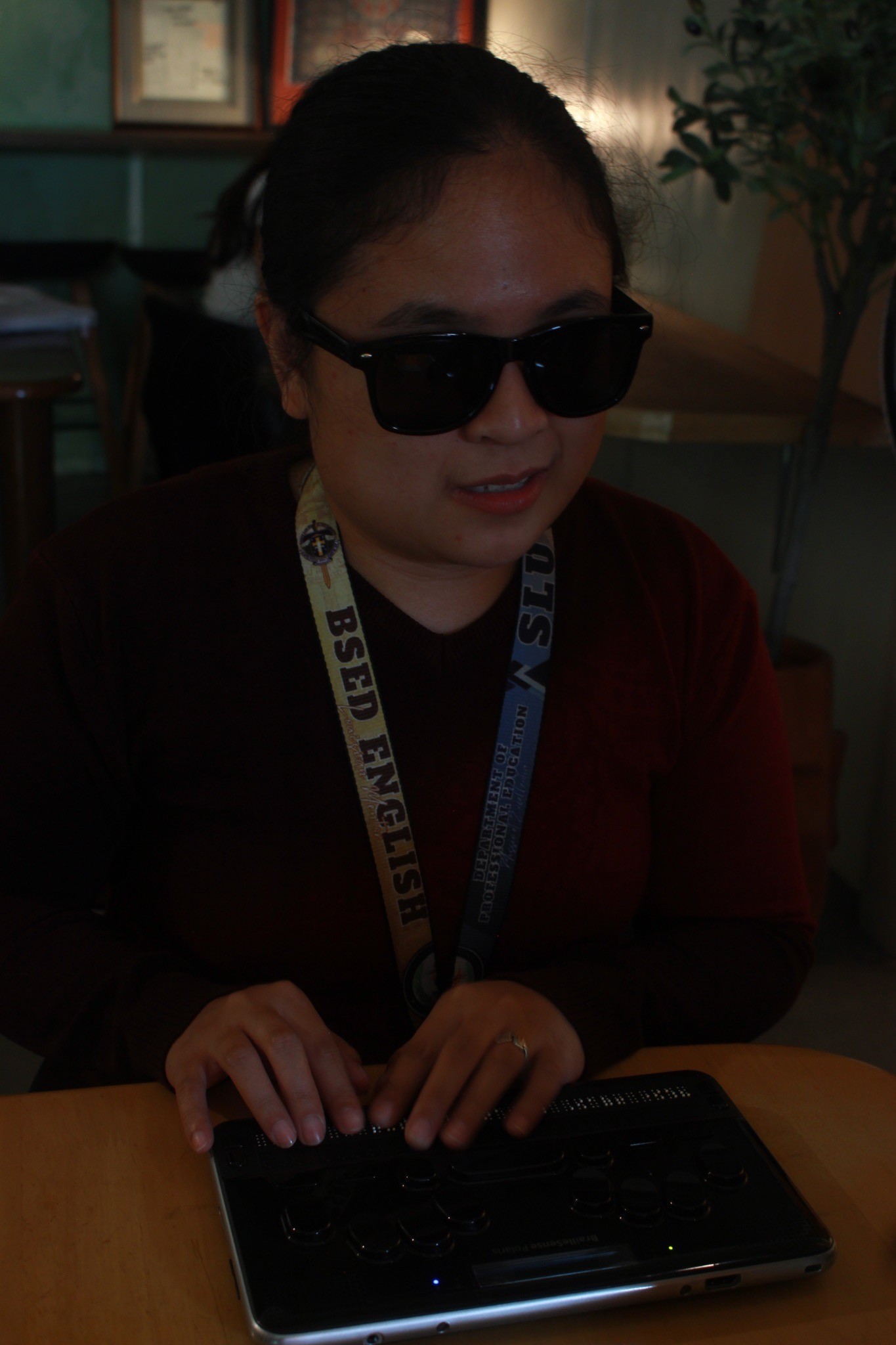
Her life does not lack ability. It simply holds a different kind.
Before You See Differently, You Hear Differently
To understand the world, one must first see it.
But Zaika listens.
She learns through sound.
She expresses through music.
She navigates through memory.
She exists fully, even in spaces that were not designed with her in mind.
And perhaps that is where the real question lies, not in what she cannot see, but in what others fail to notice.
Before You Leave, Her Voice Stays
As evening settles along Session Road, the noise softens.
The strums become gentler until they eventually fade into the same air they once filled. The crowd moves on. The city resumes its routine. The sound disappears, but not entirely.
Because for those who listened, even briefly, something remains.
Zaika gathers her things, cane in hand, preparing to walk the same streets once more. Streets she knows not by sight, but by familiarity. By repetition. By the quiet confidence of having walked them before.
She moves forward…not loudly, not dramatically, but with the same steady presence that defines her days.
In a world that often looks before it listens, she reminds us of something simpler.
A life does not need to be seen to be understood.
It asks only that you listen.
Related Posts


More Article by Mario B. Deles II


Recent


